Insulation removal in Windsor CA - a clean attic ready for new insulation
Water stains, droppings or flattened fill in your attic? We take out what's ruined, keep what's sound and leave the attic ready for new insulation.
- Licensed and insured.
- Free quotes on site.
- We reply within 1 business day.
Does the old insulation in your attic have to come out?
The short answer: Insulation removal in Windsor, CA means clearing old insulation out of your attic when it's wet, soiled or damaged, so the new layer goes into a clean, dry space and can do its job. If what's up there is still sound, it usually stays.
Most people who call me have a hot room upstairs, cold floors or a power bill that keeps creeping up, and an attic they've never looked in. Piling fresh insulation over a layer that's soaked or full of droppings just buries the problem, so the first job is finding out what you've got. The price turns on the attic's size, how easy it is to reach, whether the old material is loose fill or batts, and whether anything in it needs special handling. The schedule turns on the same things plus whether the job needs a permit, and your written estimate puts your own figure on it once I've seen the space. When removal isn't needed, your money goes further on sealing the gaps and topping up your attic insulation.
How can you tell your attic insulation needs to come out?
Stains or damp, matted fill
If the insulation looks dark, clumped or crusty in patches, or there are stains on the ceiling below, water has been getting in from a roof leak or condensation. Wet insulation stops slowing heat and holds moisture against the wood, so the longer it sits, the better the odds of mold and rot in the framing.
Droppings, nests or tunnels
Trails through the fill, nesting material, droppings or a sharp smell near the hatch mean rodents have been living up there. That insulation can't be cleaned in place, and new material laid over it just gives them a fresh spot to burrow.
Flattened fill and hot rooms
Insulation that's been stepped on, packed down by stored boxes or settled over the years can sit at a fraction of its original depth, and you feel it as a hot room upstairs or a cold floor. Packed fill doesn't always have to come out, but it's worth a look before adding more, because the layer underneath decides what goes on top.
How our insulation removal works
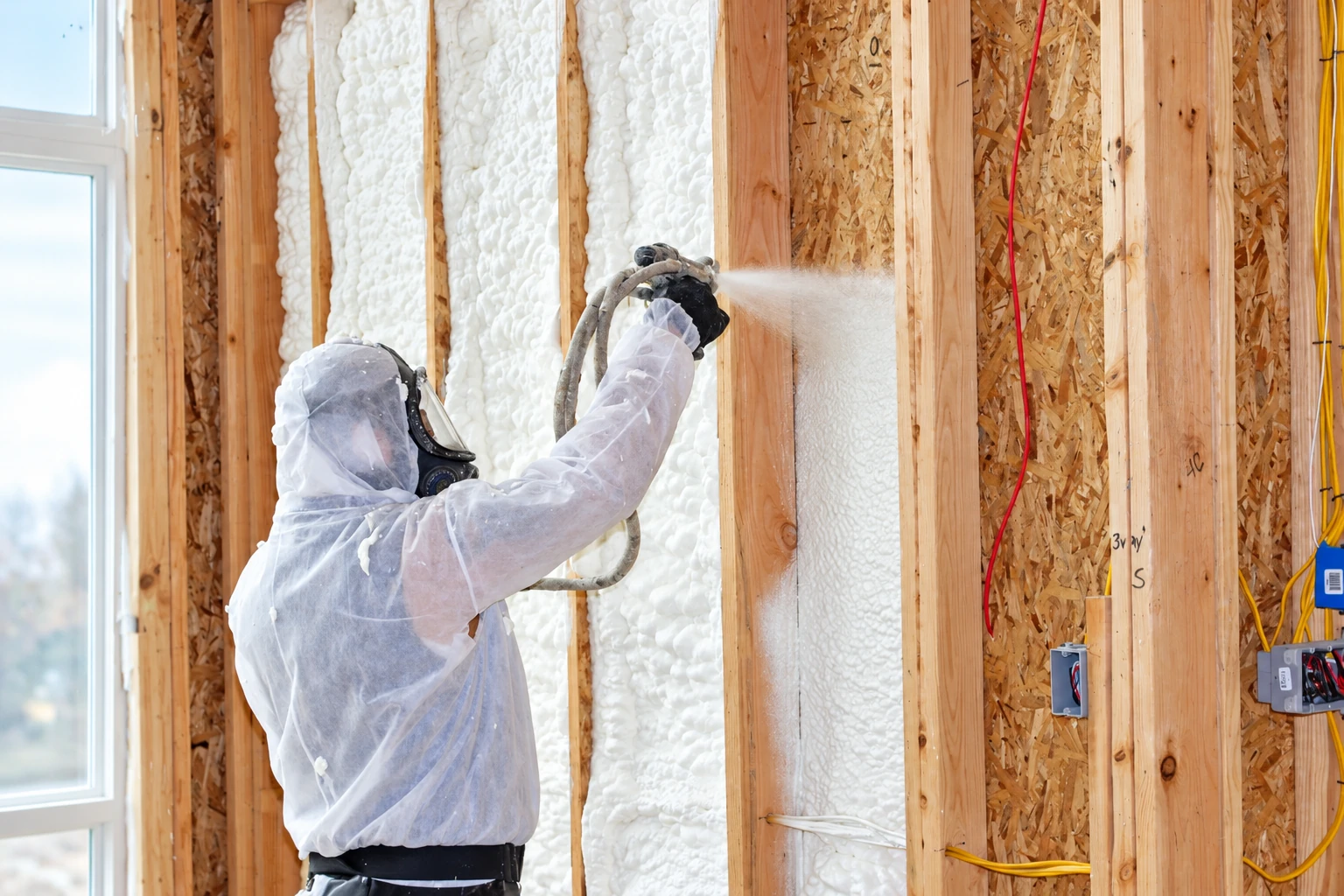
I start in the attic with a flashlight, checking how deep the old layer is, whether it's dry and whether anything has been living in it, because I only pull insulation that's wet, dirty or damaged. If it's still sound, we leave it and build on top, since tearing out good material just adds cost. If I see signs of rodents or anything that looks like vermiculite, we stop right there and talk through your options before anyone touches it. When removal goes ahead, our crew protects the path through your house, clears out the damaged material, cleans the attic floor and checks what was hiding underneath. With the old layer gone, the gaps around can lights, pipes and the hatch are easy to see, so that's the moment for air sealing, which is closing those gaps before new insulation goes in, and for making sure the vents at the eaves stay open so the attic can breathe.
Removal is often the first step of a bigger fix. A wet attic sometimes goes with a damp space under the house, and if your floors are cold, crawl space insulation is the next place I'd look. When rooms stay drafty after the attic is done, the walls may be close to empty, and wall insulation blown into the cavities can fill them without tearing out drywall.
Spot removal
This suits an attic where a roof leak or a small nest ruined one area and the rest is dry and clean. We take out the bad section, and once the cause is fixed, new insulation fills the gap to match the depth around it.
Full removal to the attic floor
This suits attics with damage spread across the whole space, or old fill that's soiled throughout. It costs more, but you start over on clean framing with every gap open for sealing.
Leave it and add on top
This suits clean, dry insulation that's just too thin for how hot or cold the rooms get. We seal the gaps, keep the eave vents clear and add new fill evenly, making sure the edges get as much depth as the middle, since that's where coverage usually runs thin.
What happens after you call us about insulation removal in Windsor?
Here's how a removal job goes from your first call to a clean attic, including who you'll deal with at each step and what you'll have in hand before any work starts.
- Step 01
Call or send a request
Call (707) 687-4455 or use the form, and we'll set up a time for me to come out. Tell us what you've noticed, whether it's a hot room, a smell or a stain, so I know what to look for.
- Step 02
Walk the attic together
I come out, look at the attic with you and explain what I find, including what has to be fixed first and what can stay. Ask anything you like, and I'll tell you plainly if something needs a closer look.
- Step 03
Get your written estimate
You get a written estimate that spells out what comes out, what stays and what goes back in. Scope and price are on paper before any work starts, so you can decide without guessing.
- Step 04
Our crew clears the attic
Our install crew does the job with a lead installer on site, working within Windsor's construction hours of Monday to Friday 7 a.m. to 7 p.m. and Saturday 8 a.m. to 7 p.m. Sunday work isn't allowed unless the Building Official expressly authorizes it, so plan on a weekday or a Saturday.
Insulation removal permits and planning in Windsor
Whether your removal job needs a permit isn't something I'd guess at, because the Town of Windsor Building Division handles plan review, permits and inspections for all buildings in the city, and that's the office that decides. If your job does need one, we take care of the application and set up the inspections, and we'll talk it through with you at the estimate.
Plenty of attics we open here haven't been touched in years, so the old layer has had time to settle, soak up a leak or host mice. We see the same thing on jobs in Santa Rosa and Healdsburg, and we handle it the same way, looking first and pulling only what's ruined.
Find out what your attic insulation needs
We reply within one business day to set up a free on-site estimate, and there's no obligation. I'll come out, go through the attic with you, and you'll get a written estimate afterward.
Why Windsor homeowners call H&M Windsor Spray Foam Insulation
The owner writes your estimate
I'm the one who comes out, looks at the attic and writes the estimate, and our install crew does the work with a lead installer on site. You hear the plan from the person who made it, and someone who knows that plan is on site the whole time.
Working Windsor attics since 2017
We started here in 2017 and have kept the business small on purpose, so nine years in, I still see every job before it starts. Small means I can take the time to explain your house instead of rushing off to the next one.
Licensed and insured
We're licensed and insured. Removal means people working on your ceiling framing and carrying material through your home, so it's the first thing you should ask any crew about.
On a removal job, doing things in the right order is what keeps you from paying twice, so it all starts with a look at your attic. Send us a request or call (707) 687-4455 to set up a visit.
Insulation removal questions from Windsor homeowners
Do I need to remove old insulation before adding new insulation?
Usually not, because clean, dry insulation can stay and new material can go right on top. Removal makes sense when the old layer is wet, moldy, fouled by rodents, suspected of holding asbestos, or packed down so far it no longer reaches its rated R-value, which is how well it slows heat. I check the inches already up there and the condition underneath before recommending either.
How much does insulation removal cost in Windsor, CA?
Removing clean, easy-to-reach attic insulation usually costs about $1 to $2 per square foot across the US, including disposal of non-hazardous material. Asbestos or vermiculite jobs cost far more, because the work needs containment and wetting. Your written estimate gives the figure for your attic once I've seen it.
What should I do if my attic has vermiculite insulation?
Leave it undisturbed, because the EPA advises treating vermiculite as if it contains asbestos and either leaving it in place or having a trained professional remove it. It's a pebble-like, pour-in fill, usually gray-brown or silver-gold, and the EPA recommends a trained, accredited asbestos abatement contractor separate from the company that assessed it, so the one checking it isn't the one selling the removal. If I spot it, we stop and talk through your options.
Can you vacuum rodent droppings out of attic insulation?
No, the CDC advises against vacuuming or sweeping rodent droppings, urine or nesting material, because it can put tiny virus-carrying droplets into the air. A rodent-soiled attic needs a cleanup plan before any vacuum hose comes out, and the CDC's cleanup steps put soiled material into plastic bags. Ask any crew how they'll handle it, and if I find droppings, we stop and go over your options first.
How is old blown-in insulation removed from an attic?
Blown-in insulation, the loose fill that went in through a hose, is usually vacuumed back out through a hose that runs to a truck outside. Batts, rolls and rigid foam boards are cut, pulled, bagged and carried out by hand. That approach is for ordinary old fill, not for rodent-soiled material or vermiculite.
What is the best way to reinsulate an attic after removal?
For most attics, sealing the gaps first and then adding blown-in fill gives you the most for your money. Spray foam costs more and seals air while it insulates, so it usually earns its price when your ductwork runs through the attic. I'll tell you at the estimate which one fits your house.
Related services that often follow removal
Crawl space insulation
If floors stay cold after the attic is fixed, the open space under your house is often the cause, and insulating between the floor joists helps.
Wall insulation
Exterior walls in older houses are sometimes nearly empty, and filling them through small holes cuts drafts in rooms that a new attic layer alone won't fix.
Book a look at your attic insulation
We answer (707) 687-4455 seven days a week, so call with your attic's rough size and any signs of water, mold, droppings or pebble-like fill, and I'll know what to look for.